TEFAF Maastricht 2024 Summary
TEFAF Maastricht 2024 concluded with resounding success, marking a return to its pinnacle in its 37th edition. Over eight days, the fair welcomed nearly 50,000 visitors and showcased over 7,000 years of art history presented by 270 exhibitors from 22 countries.

Notably, international private collectors made significant purchases, while museum connections were robust, with 300 museum directors, 650 curators, and 40 patron groups in attendance.
TEFAF President, Hidde van Seggelen, expressed gratitude for the overwhelming response and emphasized the fair’s ability to unite communities and art enthusiasts of all ages.
The fair underscored its commitment to education, hosting over 1,000 visitors for programming talks and facilitating a Curator Course for emerging museum professionals.
Themes and trends included juxtaposing the old and the new, spotlighting female artists, attracting new collectors with works at accessible price points, and addressing cultural heritage and preservation.
Major sales across various categories were reported, including antiques, paintings, modern and contemporary art, and works on paper. The fair also saw institutional acquisitions and notable collaborations among exhibitors.
TEFAF Maastricht 2024 highlighted the diversity and expertise of the global art community, setting the stage for its 38th edition in March 2025.
For more information about TEFAF and its upcoming events, visit TEFAF. Interested in learning more about collecting artwork? Reach out to the International Art Acquisitions team.
-
Five Art Exhibitions to See This Fall
Explore five must-see fall 2026 art exhibitions featuring Robert Ryman, Lucio Fontana, Roy Lichtenstein, Georgia O’Keeffe, and Lee Krasner and Jackson Pollock.
-
Nicholas Roes: Remain Present Opens September 24 at International Art Acquisitions
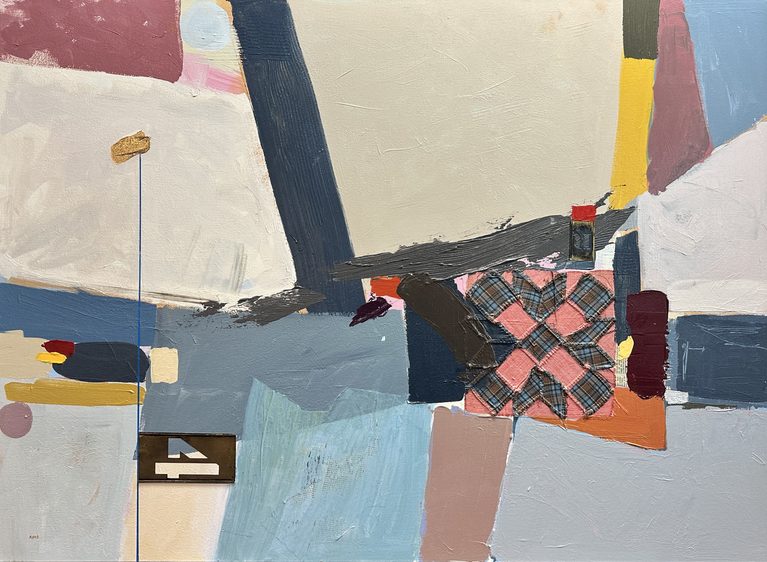
Contemporary abstract painting by Nicholas Roes featured in Remain Present, opening September 24, 2026, at International Art Acquisitions in Rochester, NY.